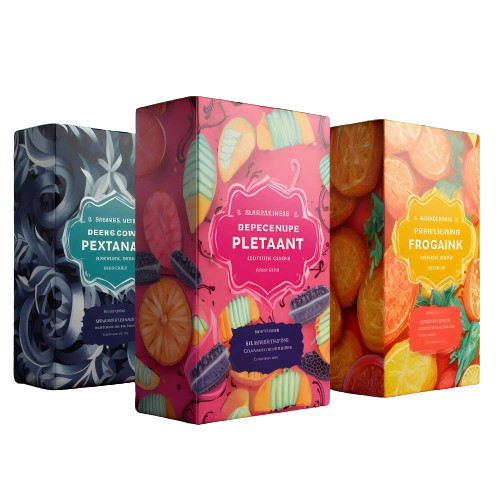


Design Tips for Sustainable Packaging That Still Looks Premium
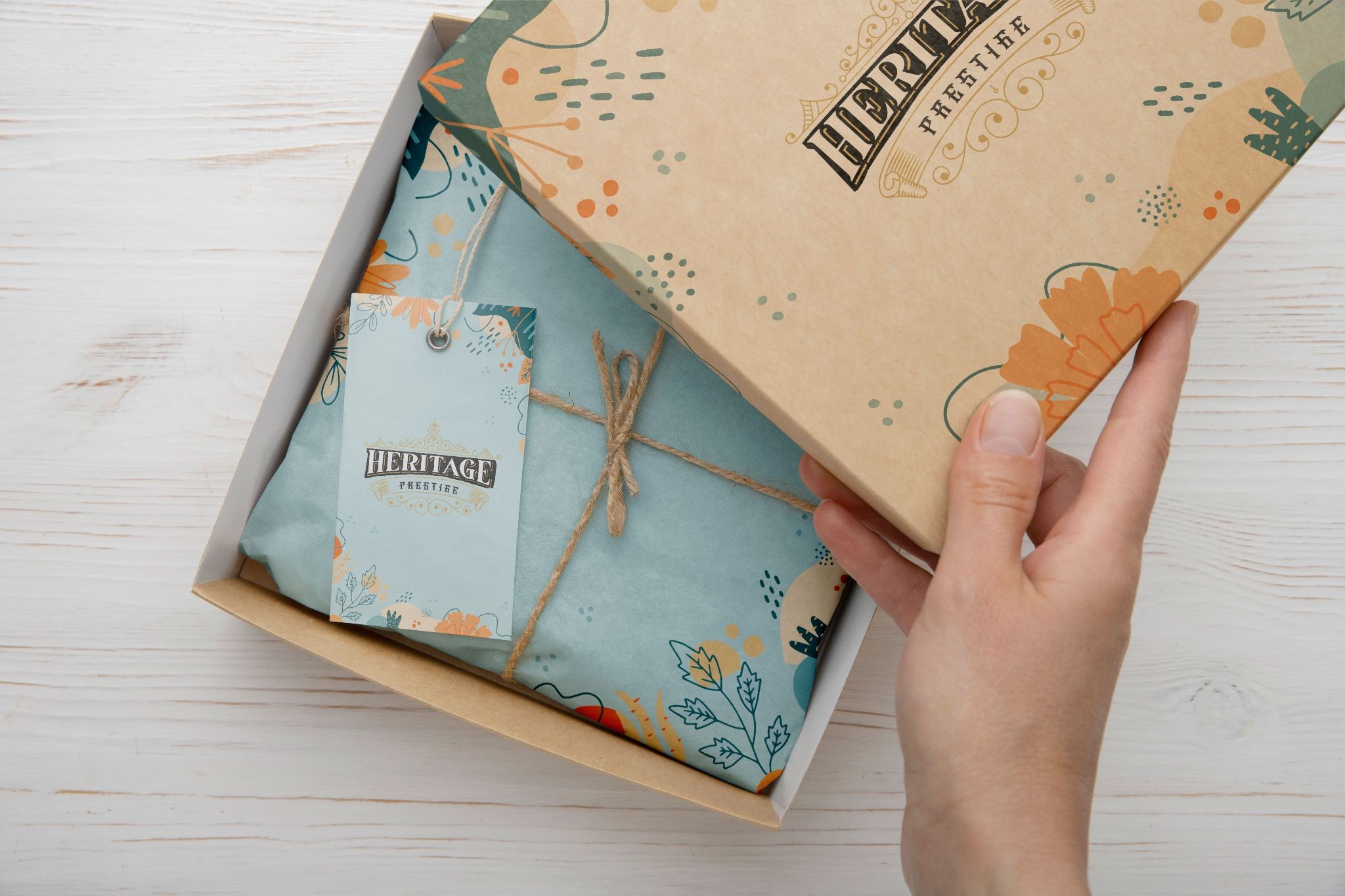
Sustainability is no longer a niche trend in packaging; it’s an expectation. Today’s consumers actively seek brands that reduce environmental impact, use responsible materials, and communicate sustainability honestly. However, many brands still worry that switching to eco-friendly packaging will compromise the premium look and feel they’ve worked hard to build.
The good news? Sustainable packaging doesn’t have to look plain, cheap, or unfinished. With thoughtful design choices, brands can create packaging that is both environmentally responsible and visually sophisticated. This guide explores practical design tips for sustainable packaging that still looks premium, helping brands strike the right balance between aesthetics, performance, and eco-conscious values.
Start with Material Selection That Signals Quality
The foundation of premium sustainable packaging begins with materials. Eco-friendly does not mean low-grade; in fact, many sustainable substrates naturally convey quality. High-quality sustainable material options include:
- FSC-certified paperboard
- Recycled rigid board
- Kraft paper with refined finishes
- Recycled PET (rPET) and mono-material plastics
- PLA and paper hybrids designed for recyclability
Premium design starts by embracing the natural character of these materials rather than hiding them. Subtle fibers, natural tones, and minimal textures often enhance authenticity and sophistication.
Many premium skincare and wellness brands are now opting for FSC-certified paperboard and recycled rigid materials instead of heavily coated substrates. These materials not only reduce environmental impact but also deliver a tactile, high-quality feel that aligns naturally with modern premium positioning.
Design tip: Avoid over-bleaching or excessive coatings. Let the material’s natural look communicate sustainability and craftsmanship.
Understanding the Cost Reality of Sustainable Packaging
Switching to sustainable packaging does not always mean higher costs, but it does require smarter planning. While some eco-friendly materials may have a higher upfront cost, high-end eco-conscious packaging balances costs through simplified designs, reduced material use, and efficient production methods. Minimalist layouts, fewer ink colors, and streamlined structures can offset material costs while improving recyclability and visual appeal.
In many cases, brands also benefit from long-term savings. Lightweight materials reduce shipping costs, well-engineered packaging minimizes product returns and damage, and durable designs extend shelf life. Sustainable packaging should be viewed not as a cost increase but as a strategic investment that enhances brand perception, operational efficiency, and customer trust over time.
Embrace Minimalism for a Premium Sustainable Aesthetic
Minimalist design is one of the most effective ways to create premium-looking sustainable packaging. By using less ink, fewer components, and clean, uncluttered layouts, brands can reduce environmental impact while simultaneously strengthening visual appeal.
Premium minimalism relies on clean typography, generous use of white or negative space, carefully selected and intentional color palettes, and a strong visual hierarchy that guides the eye effortlessly. Rather than overwhelming the packaging with excessive graphics or decorative elements, minimalist design allows the brand name, product message, and essential details to stand out with confidence and clarity.
Sustainable bonus: Minimal designs reduce ink usage and simplify recycling.
Choose Eco-Friendly Finishes That Feel Luxurious
Finishes play a critical role in how packaging feels in hand, and choosing sustainable packaging does not mean sacrificing tactile appeal. Premium, eco-conscious finishes can still deliver a refined and luxurious experience when selected thoughtfully.
Options such as matte or soft-touch aqueous coatings create a smooth, elegant surface without relying on plastic lamination. Water-based varnishes offer protection while maintaining sustainability, while debossing and blind embossing add depth and texture without additional materials. Subtle foil accents, when used sparingly, can enhance visual impact without overwhelming the design, and uncoated textured papers provide a natural, understated sense of luxury that aligns beautifully with eco-friendly values.
Wherever possible, it’s best to avoid high-gloss plastic laminations and instead choose coatings that protect the packaging while remaining recyclable or biodegradable.
Luxury cosmetic and fragrance brands increasingly rely on matte aqueous coatings, debossed logos, and subtle foil accents to create an elevated look, while avoiding plastic-heavy laminations that compromise sustainability goals.
Design tip: Texture can replace shine. A subtle tactile surface often feels more premium than glossy plastic coatings.
Use Color Strategically (Not Excessively)
Sustainable packaging benefits from a restrained color palette, with earth tones, soft neutrals, monochrome palettes, and muted gradients consistently performing well for eco-luxury brands. This approach helps convey sophistication while reinforcing a connection to natural, responsible materials.
That doesn’t mean color is off-limits. Instead, color should be used intentionally and with purpose. Natural shades such as beige, olive, charcoal, and stone deliver warmth and authenticity, while pairing one intense hero color with neutral tones creates focus without visual overload. Black or dark inks printed on kraft materials offer striking contrast and clarity, and muted versions of existing brand colors maintain identity without relying on bright, synthetic pigments.
Limiting overall color coverage not only reduces ink usage but also improves recyclability and contributes to a timeless, premium aesthetic that aligns perfectly with sustainable packaging goals.
Prioritize High-Quality Typography
Typography often makes or breaks premium packaging, especially for sustainable designs that rely on minimal visuals. Well-chosen fonts play a decisive role in communicating trust, craftsmanship, modernity, and elegance without the need for excessive graphics or color.
For premium eco-friendly packaging, typography should feel clean, intentional, and refined. Using classic serif fonts or modern sans-serif typefaces helps establish credibility and timelessness, while limiting the design to one or two font families keeps the layout cohesive and uncluttered. Avoiding trendy or overly decorative fonts ensures the packaging ages gracefully, and maintaining consistent spacing and alignment enhances readability and polish.
When typography takes the lead, packaging feels deliberate and confident, reinforcing both a premium brand position and a thoughtful commitment to sustainability.
Design Packaging That Feels Thoughtfully Engineered
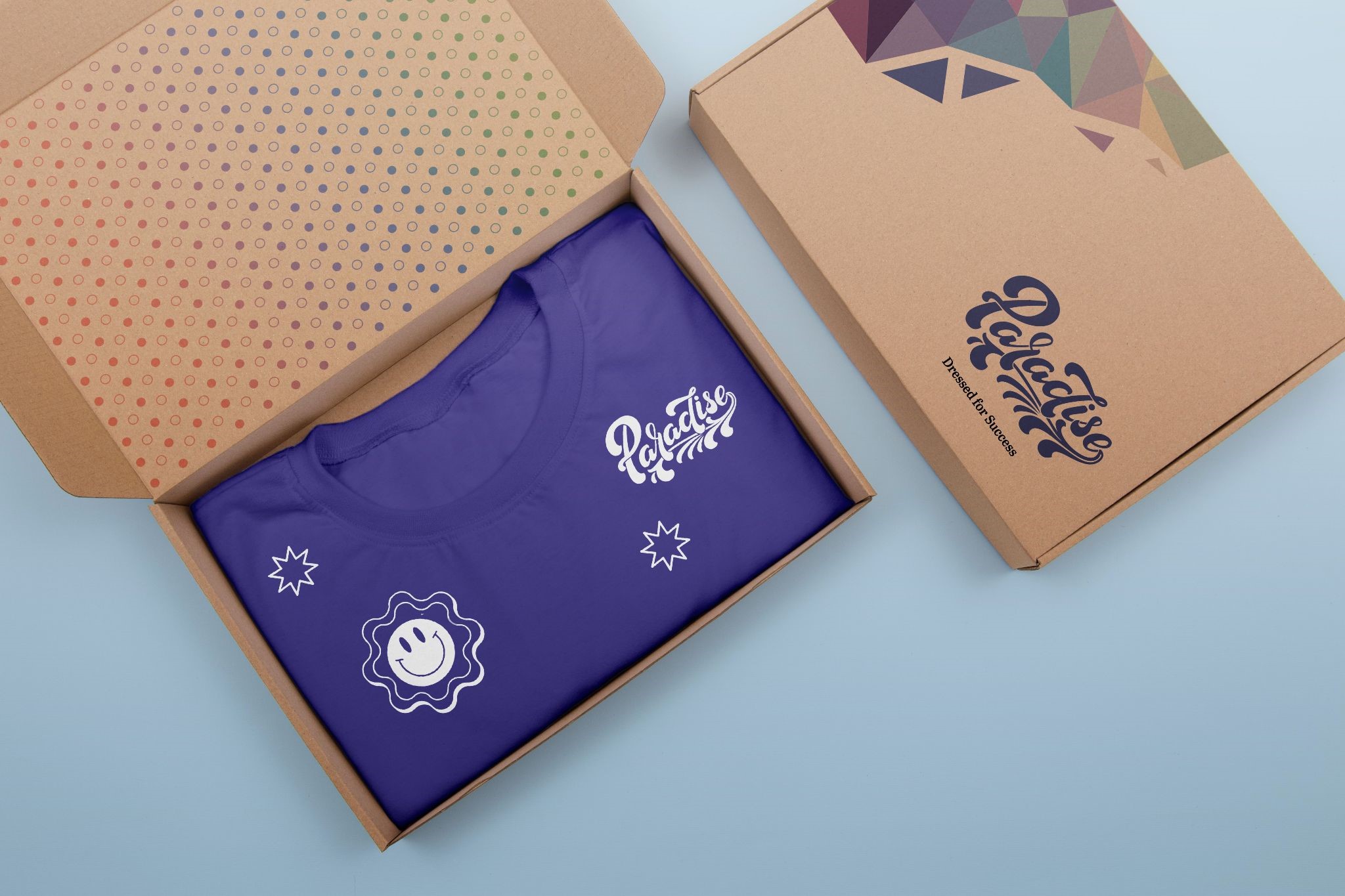
Responsibly designed sustainable packaging goes beyond looking good. It also relies on an innovative, well-planned structure. More consumers now see sustainability in design choices that reduce waste and make packaging work more effectively. Using less material, choosing compact formats, and removing excess layers while still keeping products safe during shipping demonstrate that a brand is both responsible and sophisticated. When structure is carefully planned for sustainability, it becomes part of the product experience and highlights a brand’s focus on thoughtful design.
Examples include:
- Recyclable and collapsible rigid boxes
- Custom-sized mailer boxes
- Protective paperboard inserts instead of foam
- Fold-flat packaging designs
In premium retail and e-commerce packaging, many brands are replacing traditional multi-layer constructions with collapsible rigid boxes and custom-sized mailers. Custom-sized packaging reduces material use, improves shipping efficiency, and maintains a high-end unboxing experience.
Design tip: Smart packaging adds perceived value while lowering environmental footprint.
Replace Plastics with Paper-Based Alternatives Where Possible
Paper-based alternatives are evolving rapidly and now offer impressive strength, high print quality, and strong sustainability credentials. Many brands are replacing traditional plastic elements with molded paper pulp inserts, corrugated paperboard protection, recyclable paper trays, and kraft paper wraps or sleeves that deliver both safety and a natural, premium appearance.
Beauty and personal care brands, in particular, are transitioning from plastic inserts to molded paper pulp and die-cut paperboard alternatives. These solutions offer comparable protection while supporting recyclability and a more natural visual presentation.
Selecting mono-material structures, clearly labeling packaging for recyclability, and reducing material thickness without compromising performance helps minimize environmental impact while maintaining functionality. In sustainable premium packaging, transparency matters more than perfection, and customers value honest, thoughtful design decisions that reflect a genuine commitment to responsibility.
Communicate Sustainability with Subtle Confidence
One common mistake is over-communicating sustainability messaging. Premium brands don’t shout; they signal confidence quietly. Instead of large eco-icons everywhere:
- Use a small FSC or recyclable mark
- Include a short sustainability statement
- Avoid exaggerated or vague claims
Clear, factual communication reinforces credibility and positions the brand as genuinely responsible. In today’s market, eco-conscious customers recognize authenticity quickly and value it far more than promotional language.
Test, Refine, and Elevate
Sustainable packaging design is an iterative process, and the most successful brands take time to test and refine their concepts before scaling production. Reviewing the unboxing experience, testing handling, stacking, and shipping performance, evaluating how materials age over time, and gathering customer or retail partner feedback all play a critical role in refining the final design.
Through proper testing, brands ensure that the finished packaging feels intentional, premium, and reliable while meeting both sustainability and performance expectations.
Final Thoughts: Sustainability Is the New Premium
Sustainable packaging doesn’t dilute brand value; it enhances it. When designed correctly, eco-conscious packaging communicates intelligence, honesty, and long-term vision. Luxury today is no longer about excess. It’s about purposeful design, quality materials, and careful choices.
If your brand is transitioning toward sustainable packaging, thoughtful design decisions will ensure your packaging continues to look premium, protect your product, and reflect values that modern customers trust.
Ready to elevate your packaging sustainably? Let’s design packaging that balances premium aesthetics with eco-conscious performance. Connect with our packaging experts today.
Packaging Design & Printing Services
Packagingblue offers customized commercial printing solutions to meet your business needs. Our expert team delivers top-notch design and printing services that exceed expectations. Contact us today for a free consultation.