

Toy Packaging
FAQsSpecification Description Reviews |
|
Q:
What types of toy packaging can be custom-manufactured?A:
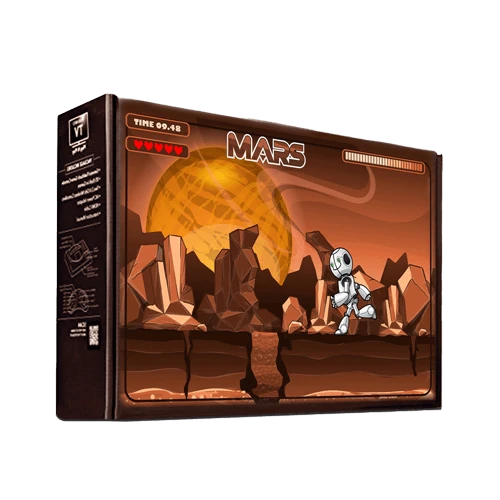
Toy packaging can be developed in multiple formats such as folding cartons, window boxes, and retail display boxes. Each structure is planned according to product size, safety needs, and retail presentation goals. This ensures strong shelf impact while maintaining secure product placement throughout handling and shipping. Q:
Can toy packaging be fully customised for different toy categories?A:
Yes. Toy packaging can be fully customised for product types, including action figures, educational toys, puzzles, and collectible items. Structural design, artwork placement, and sizing are adjusted to match branding requirements and retail expectations. This allows consistent presentation across product ranges. Q:
What materials are commonly used for toy packaging?A:
Common materials include durable cardstock, corrugated board, and coated paperboard, depending on product weight and protection needs. Material selection is planned to support print clarity, structural strength, and safe storage during transport. This balance helps maintain product integrity and visual appeal. Q:
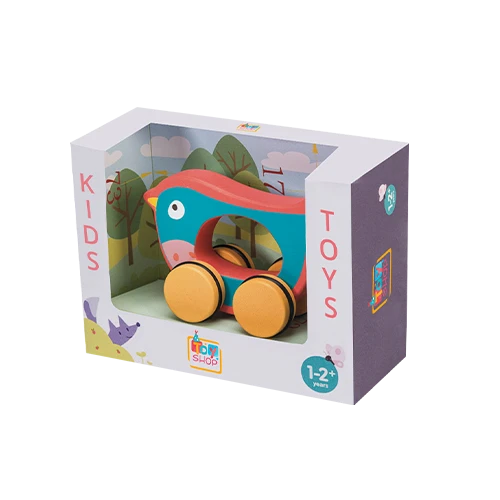
Can toy packaging include window cutouts or display features?A:
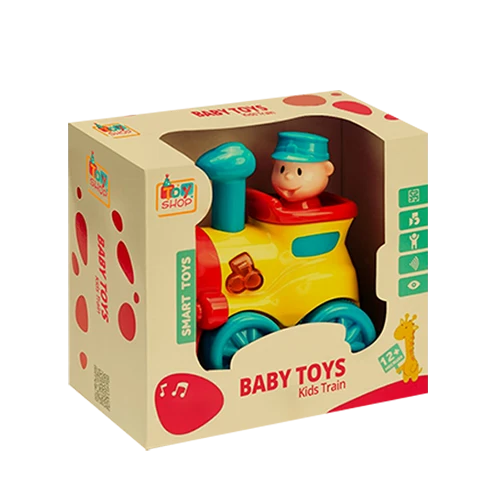
Yes. Window patching and die-cut display sections can be added to improve product visibility without opening the packaging. These features help customers view the toy directly while maintaining protection. Proper placement also enhances shelf presentation in retail environments. Q:
What printing and finishing options are available for toy packaging?A:
Toy packaging supports full colour printing along with finishes such as matte coating, gloss coating, embossing, debossing, foil stamping, and spot UV. These enhancements improve visual appeal and brand recognition. Finishing choices are selected to support durability during handling and distribution. Q:
Can toy packaging be designed with inserts for product safety?A:
Yes. Custom inserts made from cardboard or foam material can be added to secure toys inside the box. Inserts help reduce movement during transit and maintain consistent product positioning. This also improves the unboxing experience and product presentation. Q:
What does ‘frustration-free’ mean in toy packaging?A:
“Frustration-free” packaging is engineered for easy opening, using minimal materials that can be removed quickly without scissors or tools. Major U.S. retailers such as Amazon and Walmart prioritize these designs to ensure children can access toys independently with little to no adult assistance. Q:
For toy packaging, are there specific requirements for small parts?A:
Yes. For toys sold in the US, any toy or game intended for children under 12 that contains small parts must include a clearly visible choking-hazard warning on the packaging. This labeling must meet applicable safety regulations, including ensuring that the warning is easy to read, properly placed, and compliant with required standards to help prevent potential risks. Q:
What is the minimum order quantity for toy packaging?A:
A flexible minimum order quantity is offered to support both small and large businesses. This approach allows new brands to start with smaller production runs while established companies can scale efficiently. Production planning ensures consistent quality across all order sizes. Q:
How long does production take for custom toy packaging?A:
Standard production time is typically 10 to 12 working days after final design approval. Complex structures or specialty finishes may require additional time depending on production requirements. This process ensures stable output quality and accurate detailing. Q:
Can toy packaging be designed for retail and e-commerce use?A:
Yes. Packaging can be structured to perform well in both retail shelves and online shipping environments. Strong material selection and secure closures help protect products during transit while maintaining strong shelf appeal. This dual-purpose design supports modern sales channels. |